Key Difference Between Standard And Next Generation Firewalls
- Key Difference Between Standard And Next Generation Firewalls Comparison
- Key Difference Between Standard And Next Generation Firewalls For Dummies Pdf
- One of the most important differences between traditional and next-generation firewalls is that NGFWs offer a deep-packet inspection function that goes beyond simple port and protocol inspection by inspecting the data carried in network packets.
- That led to the evolution of next-generation firewalls (NGFWs) with advanced technologies that promised deeper inspection capabilities and better control over individual applications in a network. Here are the top five advantages next-generation firewalls have over traditional firewalls that every network professional should know.
- Next generation firewalls work further than port-based firewalls by adding application inspection and intrusion prevention. Next generation firewalls have the ability to scan traffic as it enters and leaves the network, therefore stopping potential threats.
- Firewalls are a crucial element of web security, but many IT professionals still aren’t clear on the differences between next generation firewalls (NGFW) and web application firewalls (WAF).There are vital points of difference between the two; being aware of the specifications can help make the purchasing and administration process clearer.
/mixed-in-key-5-vip-code-generator-mac.html. Compare Industry Next-Generation Firewalls (NGFWs) Data valid as of October 2018. Palo Alto Networks. Cisco automatically adapts defenses to dynamic changes in the network, in files, or with hosts. The automation covers key defense elements such as NGIPS rule tuning and network firewall policy. Limited Standard, nonbehavioral IoCs. Download openjdk 8 mac os. UTM and next-gen firewalls: What’s the difference? Although some people use the terms interchangeably, there are key differences. As we explain below, next-generation firewalls are typically defined as firewalls enhanced with intrusion prevention and application intelligence.
A next-generation firewall (NGFW) is a part of the third generation of firewall technology, combining a traditional firewall with other network device filtering functions, such as an application firewall using in-line deep packet inspection (DPI), an intrusion prevention system (IPS). Other techniques might also be employed, such as TLS/SSL encrypted traffic inspection, website filtering, QoS/bandwidth management, antivirus inspection and third-party identity management integration (i.e. LDAP, RADIUS, Active Directory).[1]
Next-generation firewall vs. traditional firewall[edit]
NGFWs include the typical functions of traditional firewalls such as packet filtering,[2] network- and port-address translation (NAT), stateful inspection, and virtual private network (VPN) support. The goal of next-generation firewalls is to include more layers of the OSI model, improving filtering of network traffic that is dependent on the packet contents.
NGFWs perform deeper inspection compared to stateful inspection performed by the first- and second-generation firewalls.[3] NGFWs use a more thorough inspection style, checking packet payloads and matching signatures for harmful activities such as exploitable attacks and malware.[4]
Evolution of next-generation firewalls[edit]
Improved detection of encrypted applications and intrusion prevention service. Modern threats like web-based malware attacks, targeted attacks, application-layer attacks, and more have had a significantly negative effect on the threat landscape. In fact, more than 80% of all new malware and intrusion attempts are exploiting weaknesses in applications, as opposed to weaknesses in networking components and services.
Stateful firewalls with simple packet filtering capabilities were efficient blocking unwanted applications as most applications met the port-protocol expectations. Administrators could promptly prevent an unsafe application from being accessed by users by blocking the associated ports and protocols. But blocking a web application that uses port 80 by closing the port would also mean complications with the entire HTTP protocol.
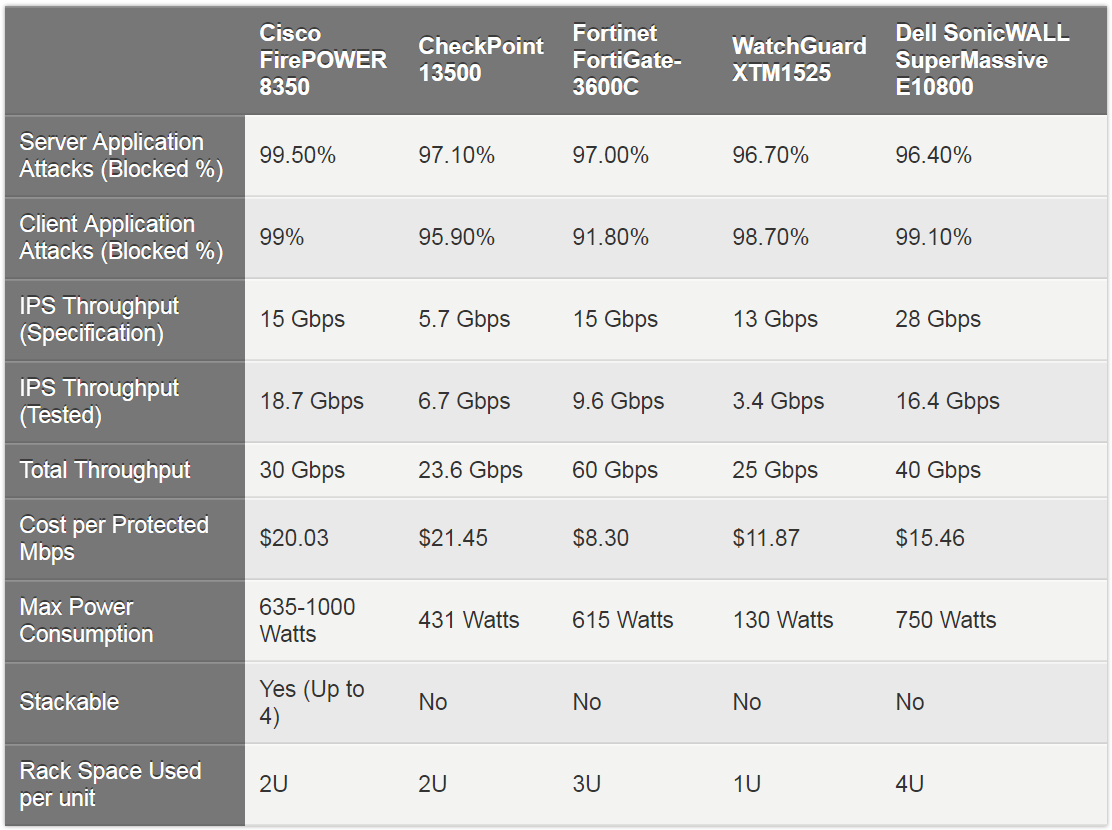
Protection based on ports, protocols, IP addresses is no more reliable and viable. This has led to the development of identity-based security approach, which takes organizations a step ahead of conventional security appliances which bind security to IP-addresses.
NGFWs offer administrators a deeper awareness of and control over individual applications, along with deeper inspection capabilities by the firewall. Administrators can create very granular 'allow/deny' rules for controlling use of websites and applications in the network.
See also[edit]
References[edit]
- ^Intro to Next Generation Firewalls - By Eric Geier, 06 September, 2011
- ^Next gen security - by Ben Rossi - 07 August, 2012
- ^Next-generation firewalls: Security without compromising performance - By Patrick Sweeney, 17 October 2012
- ^Next-Generation Firewalls 101 - By Frank J. Ohlhorst, 1 March 2013
A next-generation firewall (NGFW) is a part of the third generation of firewall technology, combining a traditional firewall with other network device filtering functions, such as an application firewall using in-line deep packet inspection (DPI), an intrusion prevention system (IPS). Other techniques might also be employed, such as TLS/SSL encrypted traffic inspection, website filtering, QoS/bandwidth management, antivirus inspection and third-party identity management integration (i.e. LDAP, RADIUS, Active Directory).[1]
Next-generation firewall vs. traditional firewall[edit]
NGFWs include the typical functions of traditional firewalls such as packet filtering,[2] network- and port-address translation (NAT), stateful inspection, and virtual private network (VPN) support. The goal of next-generation firewalls is to include more layers of the OSI model, improving filtering of network traffic that is dependent on the packet contents.
NGFWs perform deeper inspection compared to stateful inspection performed by the first- and second-generation firewalls.[3] NGFWs use a more thorough inspection style, checking packet payloads and matching signatures for harmful activities such as exploitable attacks and malware.[4]
Key Difference Between Standard And Next Generation Firewalls Comparison
Evolution of next-generation firewalls[edit]
Improved detection of encrypted applications and intrusion prevention service. Modern threats like web-based malware attacks, targeted attacks, application-layer attacks, and more have had a significantly negative effect on the threat landscape. In fact, more than 80% of all new malware and intrusion attempts are exploiting weaknesses in applications, as opposed to weaknesses in networking components and services.
Stateful firewalls with simple packet filtering capabilities were efficient blocking unwanted applications as most applications met the port-protocol expectations. Administrators could promptly prevent an unsafe application from being accessed by users by blocking the associated ports and protocols. But blocking a web application that uses port 80 by closing the port would also mean complications with the entire HTTP protocol.
Protection based on ports, protocols, IP addresses is no more reliable and viable. This has led to the development of identity-based security approach, which takes organizations a step ahead of conventional security appliances which bind security to IP-addresses.
NGFWs offer administrators a deeper awareness of and control over individual applications, along with deeper inspection capabilities by the firewall. Administrators can create very granular 'allow/deny' rules for controlling use of websites and applications in the network.
See also[edit]

References[edit]
- ^Intro to Next Generation Firewalls - By Eric Geier, 06 September, 2011
- ^Next gen security - by Ben Rossi - 07 August, 2012
- ^Next-generation firewalls: Security without compromising performance - By Patrick Sweeney, 17 October 2012
- ^Next-Generation Firewalls 101 - By Frank J. Ohlhorst, 1 March 2013